
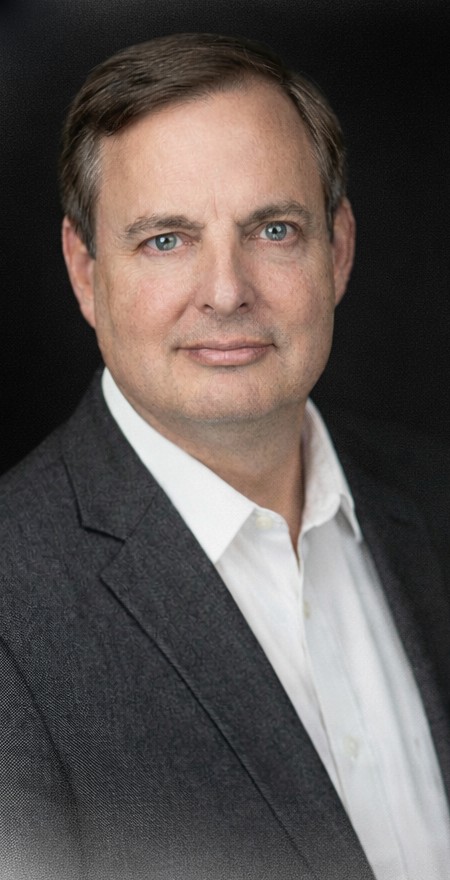
Social Security Vocational Expert · Founder, Precision Case Lens · Published August 24, 2026
Short answer: A prospective client with a disability claim usually calls more than one firm. AI voice intake answers the call, runs the whole intake conversation, and hands your team organized information instead of a voicemail. DIET, the Precision Case Lens intake team, answers the firm’s first call, runs the disability intake conversation with a fallback if any step stalls, and drafts SSA and VA forms with every field traced back to the call. DIET is in development and not available today.
I have been a Certified Rehabilitation Counselor since 1996 and a Social Security vocational expert since 2014. I have seen what a case looks like at the end of a long road. I have also seen how many of them are shaped by what happened in the first five minutes of the first call.
Why does the first call decide so much?
Someone who cannot work, has been denied, or is facing a hearing is not comparison shopping at leisure. They are making calls. If your phone goes to voicemail, they leave a message for you and make the next call. The firm that picks up gets the conversation. For a small practice that is mid-hearing, mid-deposition, or simply out for the afternoon, a missed call is a missed case that nobody ever sees on a report.
What does an AI receptionist do that a voicemail box does not?
A voicemail box records that someone called. An AI receptionist built for intake has the conversation. DIET covers the disability-specific questions a firm needs answered: who the person is, what condition limits their work, where the claim stands, and what the firm needs to decide whether and how to take the case. If a step stalls — a caller cannot answer, the call drops, or the conversation goes somewhere unexpected — there is a fallback so the contact is not lost.
What happens after the call?
Intake is only useful if the information is usable. DIET drafts SSA and VA forms from the conversation, and every field is traced back to the call it came from. A staff member reviewing a draft can see where an answer originated instead of retyping it from notes and hoping nothing was lost. The attorney still reviews and decides; the drafting is what gets taken off the desk.
Intake data should connect to case development. Information captured at the first call is the start of the case file, not a separate pile of notes. That is the handoff Precision Case Lens is built around.
What should a firm ask before choosing AI voice intake?
- Does it handle disability-specific intake, or is it a general call-answering script?
- What happens when a call goes off script?
- Can I see where each answer in a drafted form came from?
- Does it work with SSA and VA matters, or only one?
- What are the confidentiality terms for the information callers share?
Why does disability intake need its own approach?
Disability intake is not a generic contact form. A caller may be in pain, may be unable to recall dates, and may not know the difference between an application, a reconsideration, and a hearing request. The questions that matter — work history, medical treatment, the status of the claim, and any deadline already running — have to be asked in an order that makes sense to someone who is having a hard day. A script written for a retail business does not do that. Intake built for disability practices does, and it makes a difference to both the caller and the person who reads the result.
For VA matters the questions change again: service history, the conditions claimed, where the claim sits in the process, and what has already been filed. The same conversation structure has to respect both programs.
What does the team receive after the call?
Not a recording to listen to and not a note to decipher. The team receives organized information from the conversation and draft forms to review. That means the first human touch can be a decision — take the case, ask for more information, or refer it out — rather than a transcription job.
What about after-hours calls?
People in pain, or worried about a deadline, do not confine their calls to office hours. A call answered in the evening can be waiting for your team, organized, the next morning. I am not going to attach a call-volume figure or a conversion promise to that; the point is simply that the conversation starts when the person calls rather than when your office reopens.
When can my firm use DIET?
DIET is in development and not available today. You can see how Precision Case Lens develops a case on the free demo now and talk to Allan about early access. Learn more about Precision Case Lens.
Frequently Asked Questions
What is AI voice intake?
AI voice intake answers a firm’s incoming call and runs the intake conversation by voice, collecting the information the firm needs from a prospective client and handing it to the team in a usable form.
Why does the first call matter for a disability practice?
A person searching for help is often calling several firms. The firm that answers and starts the conversation has the first chance at the case. A missed call is a lost conversation, not a postponed one.
Which forms does DIET draft?
DIET drafts SSA and VA forms, with every field traced back to the call it came from.
Is DIET available today?
No. DIET is in development and not available today. You can open the Precision Case Lens demo now and talk to Allan about early access.
From the same founder: Precision AI Group — AI intake and follow-up for law firms, built around your firm’s rules. For SSA disability case development, see Precision Case Lens.
Answer the first call — in development, not available today
Open a fully developed synthetic SSA case on the free demo, then talk to Allan about early access. In development, not available today — talk to Allan about early access.
Take the PCL Challenge Free TrialSee a Developed Case — Free DemoEach trial run returns a Premium Hearing Prep Blueprint. No login required to view the demo. Nothing to buy. Learn more at precisioncaselens.com or talk to Allan.
This article is general information for disability representatives, not legal advice. Precision Case Lens works for the representative; it does not represent claimants and does not guarantee outcomes.